
Gut Imbalances Might Play a Role in Autism, Study Finds
Gut health, brain function, and behavioral symptoms in autistic children are linked, focusing on the gut-brain connection in autism. Researchers analyzed behavioral data, brain scans, and stool samples from 43 autistic children and 41 neurotypical children (aged 8 to 17), specifically looking at tryptophan metabolites. Tryptophan, an amino acid, is converted by gut microbes into various compounds, including serotonin. The analysis revealed that altered levels of these tryptophan metabolites were connected to changes in brain activity in regions responsible for emotional and sensory processing in the autistic children.
Share This Article

.svg)


SUGGESTION ARTICLE
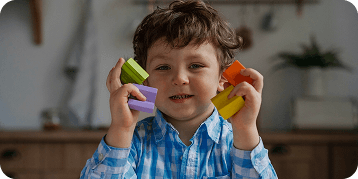
Autism Spectrum Disorder in 2023: Understanding the Challenge
An update on Autism Spectrum Disorder (ASD) covers its escalating prevalence (epidemiology) and the search for a definitive etiology, which largely remains unkn…

AI Could Help Identify Toddlers Who May Be Autistic, Researchers Say
Artificial intelligence (AI) is showing promise in helping experts identify toddlers who may be autistic with a screening system that boasts an accuracy of abou…